

black bathroom mirror
Understanding Stop Check Valves Function and Application Stop check valves are an essential component in various fluid handling systems, often used to ensure both the safe operation and efficient management of fluids in pipelines. Combining the features of both a stop valve and a check valve, these devices are particularly valued in applications that require selective flow control along with the prevention of backflow. What is a Stop Check Valve? A stop check valve is designed to allow fluid to flow in one direction while simultaneously preventing backflow. This dual functionality is achieved through its unique construction, typically featuring a movable disc that can be obstructed or opened by a stem. When the valve is in the open position, fluid can flow through the valve unhindered. However, if the flow direction changes, the disc closes to prevent backflow, thus safeguarding the system against potential damage or contamination. Importantly, stop check valves can be operated manually or automatically, depending on the system's design requirements. This adaptability makes them a popular choice in various industries, including water treatment, chemical processing, and HVAC systems. Applications of Stop Check Valves 1. Water and Wastewater Treatment In water treatment plants, stop check valves are critical for directing flow and preventing contamination . If a pump fails, these valves automatically close, stopping sewage or contaminated water from flowing back into clean water lines. 2. Pumping Systems In systems where multiple pumps may operate simultaneously, stop check valves help manage the direction of flow, allowing for seamless transitions between pumps without risking reverse flow. This is particularly important in firefighting systems, where maintaining pressure and flow direction is vital. stop check valve 3. Heating and Cooling Systems In HVAC applications, stop check valves maintain the flow of hot or chilled water through systems, ensuring that temperature control is effective. They prevent backflow, which can lead to inefficient system performance and increased energy costs. 4. Chemical Processing The chemical industry often faces issues related to corrosive materials and potential backflows that could result in dangerous leaks or reactions. Stop check valves offer a reliable solution for managing these chemicals, ensuring that fluids only flow in the intended direction and thereby maintaining safety. Design Variations Stop check valves come in various designs, including globe, gate, and ball types, each offering unique characteristics suited to specific applications. The choice of design is influenced by factors like the pressure of the system, the type of fluid being handled, and the required flow rates. - Globe Stop Check Valve This type usually provides better throttling capabilities and is often used in applications where flow regulation is necessary. - Gate Stop Check Valve Suitable for larger pipelines, this design offers minimal flow resistance when opened and is ideal for applications requiring full flow. - Ball Stop Check Valve This compact design is effective for tight spaces and can provide a quick response to changes in flow direction. Conclusion Stop check valves play a pivotal role in a wide range of fluid handling systems by ensuring efficiency and safety. Their unique ability to function both as a stop and a check mechanism makes them indispensable in preventing backflow and maintaining proper flow direction. As industries continue to evolve and face new challenges in fluid management, the importance of reliable and effective components like stop check valves will only grow, driving innovations in their design and application. Understanding their function and application is crucial for engineers and operators tasked with overseeing safe and efficient fluid systems.
about
black bathroom mirror
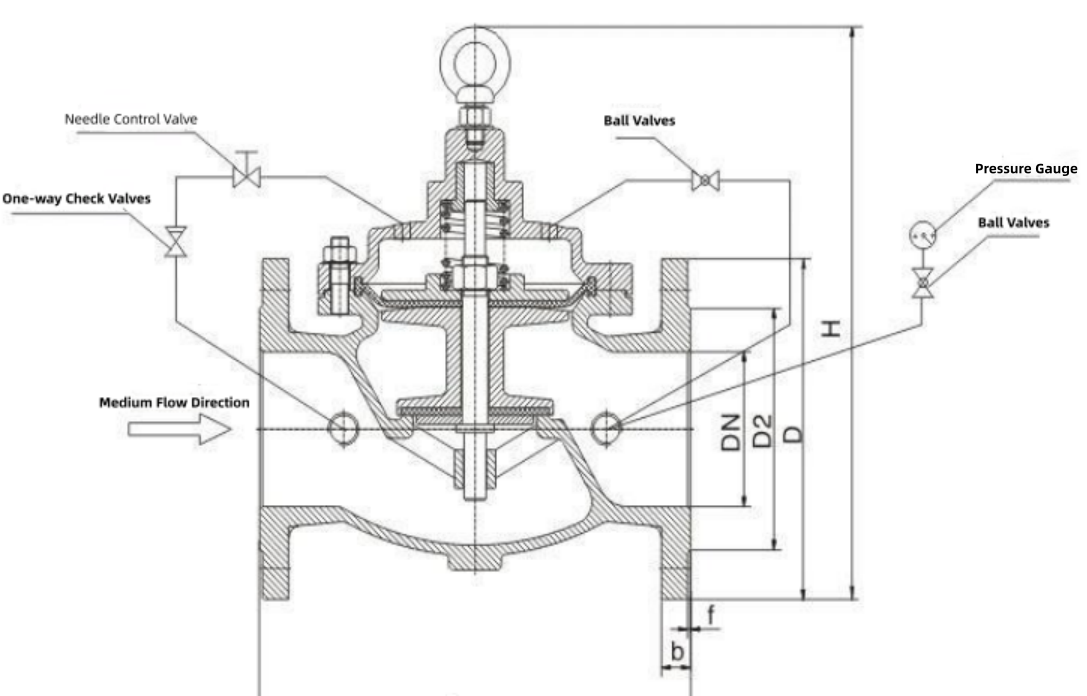
Understanding Control Valve Prices Factors and Trends Control valves are essential components in various industries, including oil and gas, water treatment, chemicals, and HVAC systems. Their primary function is to regulate fluid flow, pressure, and temperature in a system, ensuring optimal performance and safety. The price of control valves can vary significantly based on several factors, making it crucial for buyers to understand how these prices are determined and what trends are currently influencing the market. Key Factors Influencing Control Valve Prices 1. Type of Control Valve There are several types of control valves, including globe valves, ball valves, butterfly valves, and gate valves. Each type has a different design and operational mechanism, leading to variances in pricing. For instance, globe valves, known for their precise flow control, tend to be more expensive than simpler designs like gate valves. 2. Material Composition The materials used in the manufacturing of control valves impact their prices significantly. Common materials include stainless steel, carbon steel, and various alloys. Valves constructed from high-grade materials that can withstand extreme temperatures and corrosive environments typically come with a higher price tag. Additionally, specialized coatings or linings further increase costs. 3. Size and Pressure Rating The size of the control valve and its pressure rating are critical factors in pricing. Larger valves capable of handling higher pressures require more material and complex manufacturing processes, thereby increasing their cost. Applications demanding high pressure and flow rates naturally command higher prices. 4. Actuation Method Control valves can be operated manually or automatically. Automating a valve through electric or pneumatic actuators adds complexity and cost. The choice of actuation can also depend on the application's specific needs, influencing the final price. Electric actuators, for instance, offer precision but are generally more expensive than manual options. control valve price 5. Brand and Manufacturer The reputation of the manufacturer plays a significant role in pricing. Established brands often charge a premium due to their history of reliability and quality. Conversely, lesser-known brands may provide more competitive pricing but might lack the same level of assurance in terms of product performance and longevity. Market Trends Impacting Control Valve Prices The control valve market is influenced by various trends that could impact pricing. As industries strive for efficiency and sustainability, there is a significant shift towards automation and smart technologies. Control valves integrated with IoT (Internet of Things) capabilities are becoming increasingly popular, allowing for remote monitoring and control. While these advanced valves may come with a higher initial cost, they can lead to substantial savings in operational efficiency over time. Moreover, global supply chain disruptions and resource shortages can lead to fluctuations in the prices of raw materials, thereby affecting final product pricing. Buyers should remain aware of global market conditions, including tariffs and trade regulations, as these can also impact pricing. Additionally, environmental regulations are steering the market towards products that are not only efficient but also environmentally friendly. Manufacturers responding to these demands may incur higher production costs, which could, in turn, affect the pricing of control valves. Conclusion In conclusion, understanding control valve prices requires a comprehensive look at various influencing factors, including valve type, material, size, actuation method, and brand reputation. By being aware of market trends and the economic landscape, buyers can make informed decisions that align with their operational needs and budgets. As industries evolve, the demand for sophisticated control valves will likely continue to rise, affecting both pricing structures and the types of products available on the market. Whether you're a purchasing manager, engineer, or simply a curious individual, a solid grasp of these elements will enhance your understanding of the control valve market and assist you in making the best purchasing decisions.
-

High quality industrial productsagement

High quality industrial products
View Details -

Meet the diverse needs of customers

Meet the diverse needs of customers
View Details -

Strict quality control

Strict quality control
View Details -

Top raw materials

Top raw materials
View Details -

Trusted supplier

Trusted supplier
View Details
Our application

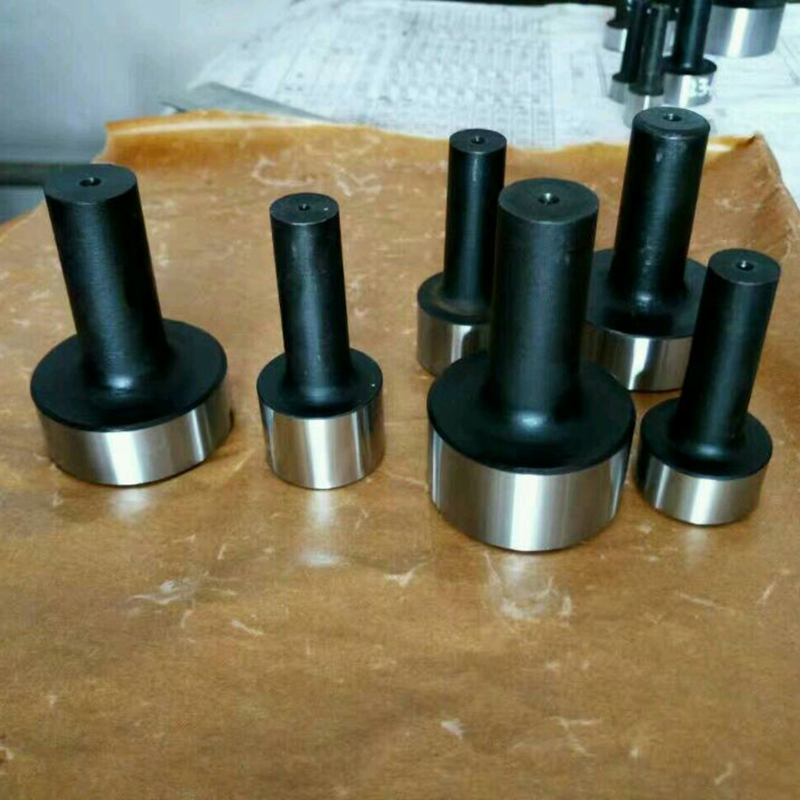

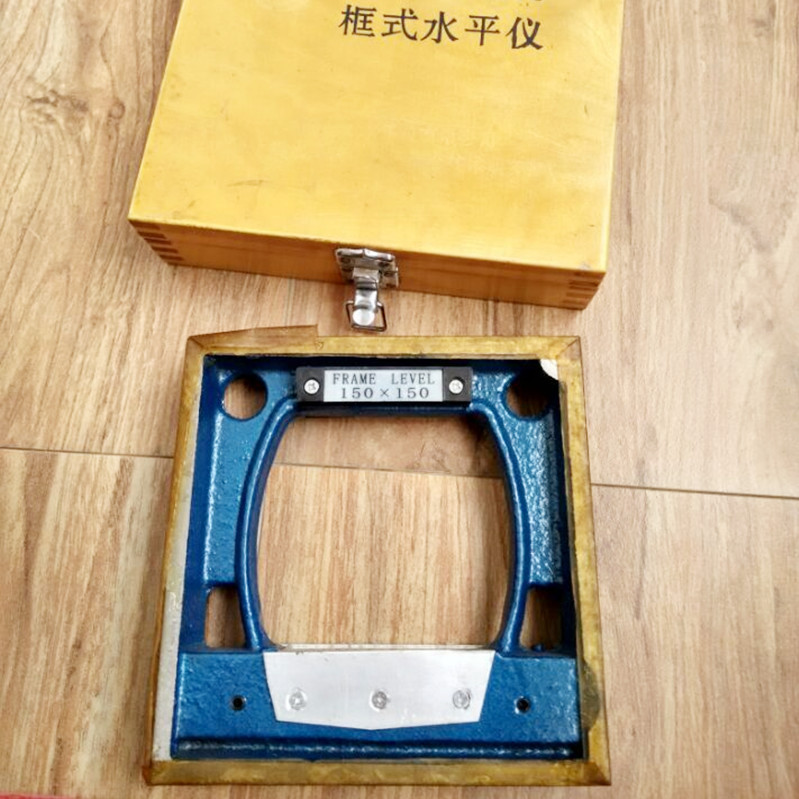
news and information
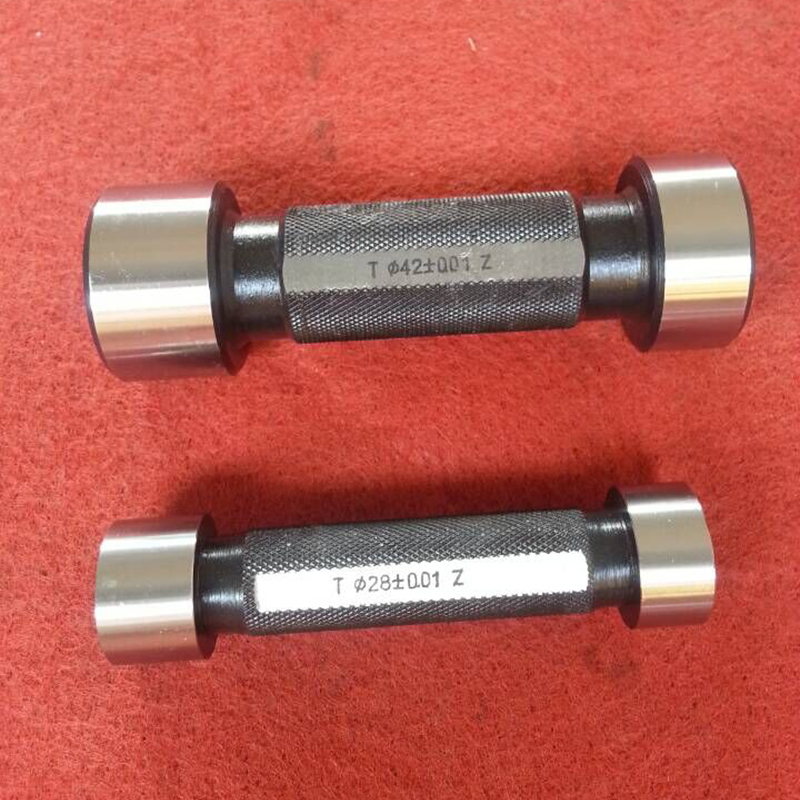
welding table 4x8
Welding Table 4x8 A Vital Tool for Every Welder In the world of metalworking, a sturdy and functiona
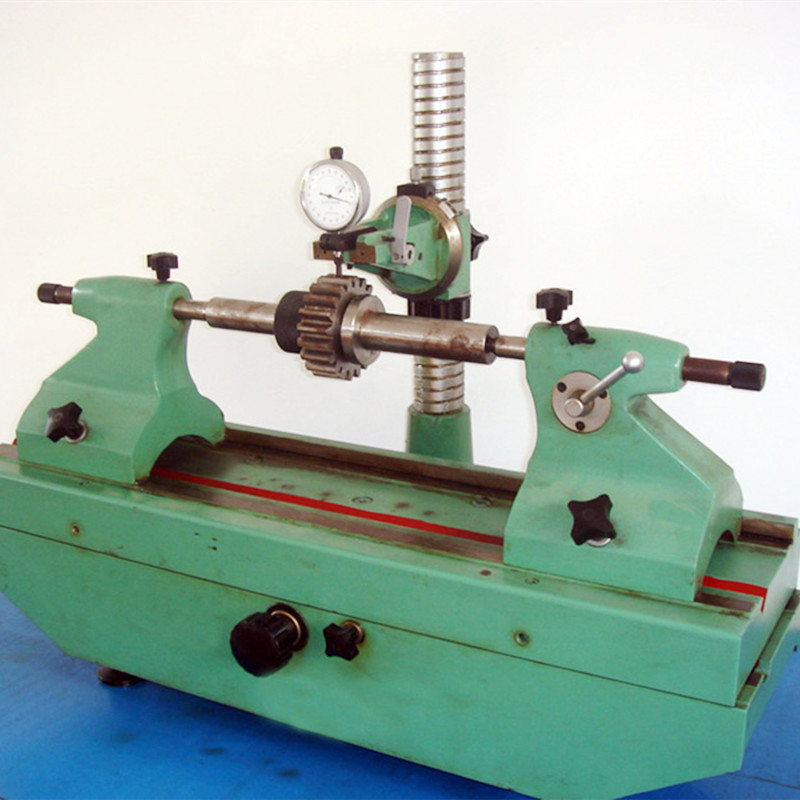
Water Valve Gate Design Prevents Leakage and Corrosion
In the realm of water management within pipelines, the design of water valve gate is of paramount im
Vertical Y Strainer Design and Applications in Fluid Management Systems
Understanding Vertical Y Strainers Essential Components for Fluid Systems In the world of fluid mana
 English